Environment for Your Newborn: Complete Safety Guide & Checklist (2026)
Expert-Backed Tips for Safe Sleep, Baby-Proofing, and Emotional Development
- 1. Environment for Your Newborn: How to Create a Safe & Calm Space
- 2. Baby-Proofing the Physical Environment for Your Newborn
- 3. Creating a Supportive Emotional Environment for Your Newborn
- 4. Maintaining a Healthy and Clean Environment for Your Newborn
- 5. Designing a Stimulating Environment for Your Newborn’s Development
- Your Ultimate Safety Checklist
- Frequently Asked Questions
- The Bottom Line
Creating the right environment for your newborn shapes everything about those precious early months. In fact, it is not just about having an Instagram-worthy nursery or buying the most expensive gadgets on the market. Rather, your baby needs a space that is safe, loving, consistent, and designed for optimal growth. This comprehensive guide breaks down exactly how to build the perfect setup for your baby, no fluff, just practical steps you can take today to ensure the best possible start.
1. Environment for Your Newborn: How to Create a Safe & Calm Space
Your newborn sleeps 16 to 18 hours daily. Since that is the vast majority of their existence in the first few months, ensuring a safe sleep environment for your newborn is your absolute highest priority. Because they spend so much time in one specific place, sleep safety is non-negotiable, and getting it right can significantly reduce risks.
If you are currently struggling to get them to settle down for the night, you are not alone. Many parents find the transition difficult. To help everyone get some rest, try these actionable tips in our guide: Get Your Baby to Sleep Tonight : 5 Easy Tricks.
The Guidelines You Must Follow
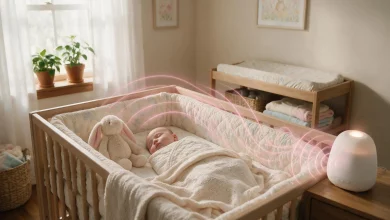
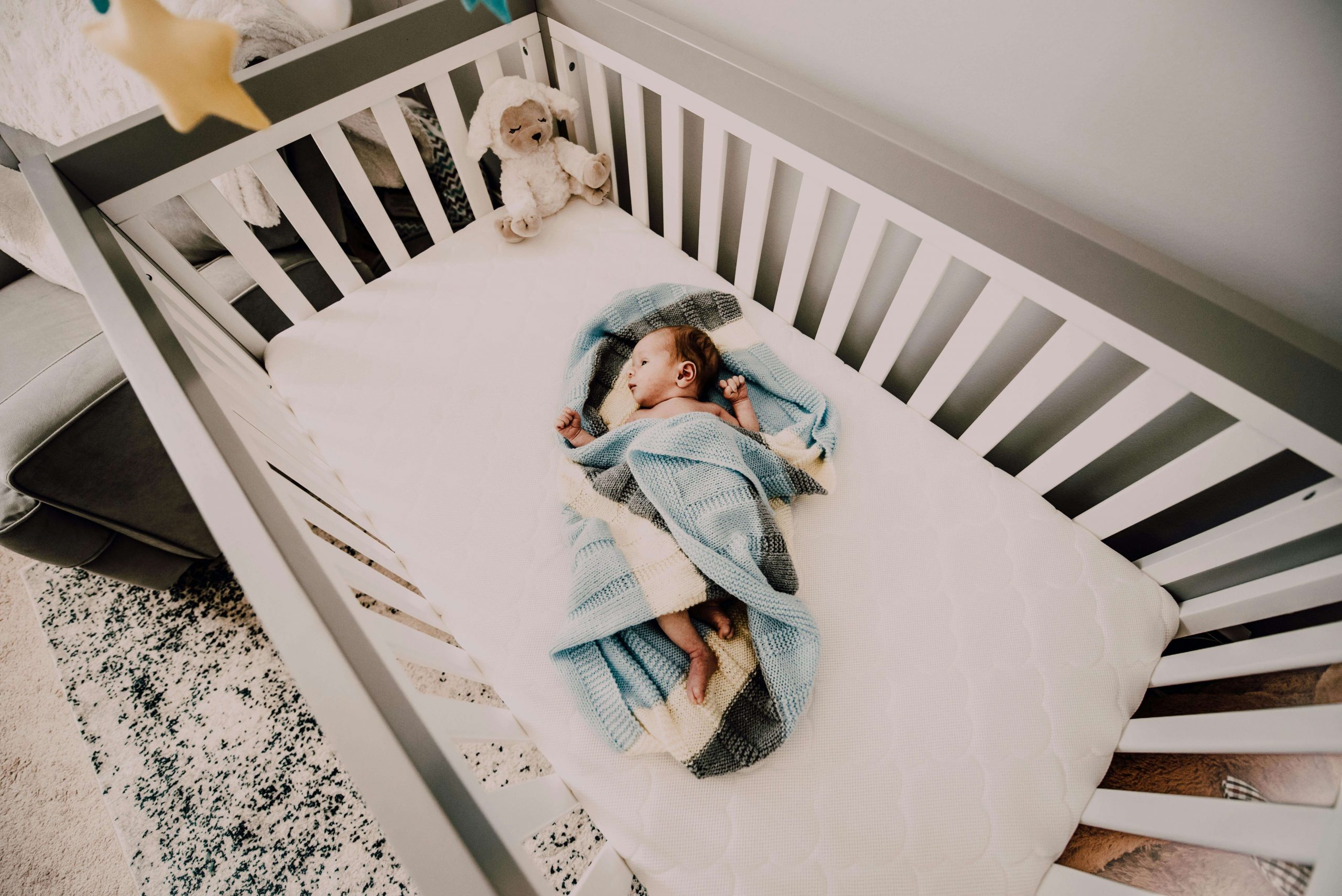
The American Academy of Pediatrics (AAP) has established clear, evidence-based guidelines to protect infants. First and foremost, the foundation of a safe sleep environment for your newborn starts with the crib. You should use a firm, flat crib mattress covered only with a tight-fitting sheet.
Although it is tempting to make the crib look cozy, nothing else belongs in that space.
No Pillows: They pose a suffocation risk.
No Blankets: Loose bedding can cover a baby’s face.
No Bumpers: These reduce airflow and are a strangulation hazard.
No Stuffed Animals: Keep toys for playtime, not sleep time.
Furthermore, always place your baby on their back for every single sleep, whether it is a night’s rest or a quick nap. As a result, this single change in the environment for your newborn has reduced SIDS (Sudden Infant Death Syndrome) deaths by over 50% since the 1990s. The AAP calls it the “ABC” rule: Alone, on their Back, in a Crib.
Managing Temperature and Clothing
Once you bring a baby home, the world changes instantly. Consequently, the environment for your newborn becomes their entire universe. It is where they learn to sleep, trust, eat, and interact with the world.

Overheating is a major risk factor. Therefore, to maintain a safe environment for your newborn, skip the loose blankets which can be kicked off or pulled up. Instead, dress your baby in a sleep sack (wearable blanket). This keeps them warm without the risk of loose fabric.
Additionally, keep the room temperature between 68-72°F (20-22°C). This might feel slightly cool to you, but it is perfect for a baby. To check if they are comfortable, touch the back of their neck or chest. It should feel warm and dry, not hot or sweaty. However, do not rely on their hands or feet, as these extremities naturally feel cooler due to developing circulation.
Room Sharing, Not Bed Sharing
For the safest sleep environment for your newborn, place the crib or bassinet in your bedroom for at least the first six months, ideally up to a year. Room sharing allows you to hear every sound, thus making nighttime feeds easier and giving you peace of mind. However, avoid bed-sharing, as adult mattresses and bedding pose significant hazards.
Real talk: You will undoubtedly hear conflicting advice from everyone : Your mom, your mother-in-law, or your neighbor. Some will tell you their babies slept fine on their stomachs or with heavy blankets. Smile, nod politely, then stick to the current safety guidelines. Medical knowledge has evolved, and these rules exist because they save lives. Later on, you might face sleep hurdles like regression, so it is good to be prepared by reading Newborn Sleep Regression Problems : Survival Guide.
2. Baby-Proofing the Physical Environment for Your Newborn
Even though your newborn won’t crawl for several months, you must start baby-proofing the physical environment for your newborn right now. Once they become mobile, life moves at a lightning pace, and you will not have the time or energy to install safety hardware.
Securing the Nursery Space
First, every square inch of the nursery must be scrutinized. Cover every electrical outlet with safety plugs. Next, secure all cords away from the crib and changing table babies can reach further than you think.
Pay special attention to window blinds. Since loose cords can cause strangulation injuries, tie them up high and out of reach. Additionally, anchor that heavy dresser and changing table to the wall. Furniture tip-overs injure thousands of children every year. Hardware stores sell simple furniture straps for under $10. Therefore, install them today. It is a small step that drastically improves the safety of the environment for your newborn.
The “Crawl Test” Through Your Home
To truly understand the risks in the environment for your newborn, you need a change of perspective. Specifically, get on your hands and knees. Crawl around your living room, kitchen, and bathroom.
What can you reach from this height?
What looks interesting enough to put in your mouth?
Are there sharp corners at eye level?
According to safety guidelines from My Florida Families, most infant injuries happen in homes that haven’t been properly checked from a child’s perspective.
Toxins: Lock up cleaning products, laundry pods, and medications immediately. High cabinets with childproof latches work best.
Burns: Set your water heater to 120°F maximum. Because a baby’s skin is thinner than ours, it burns at much lower temperatures
Choking Hazards: Remove small objects from floors. The golden rule for a safe environment for your newborn is: If it fits through a toilet paper roll, it is a choking hazard.
3. Creating a Supportive Emotional Environment for Your Newborn
While physical safety is critical, the emotional atmosphere is just as important. Here is the truth: what matters more than the perfect nursery decor or the most expensive stroller is you. You are the most critical part of the environment for your newborn.
The Power of Touch

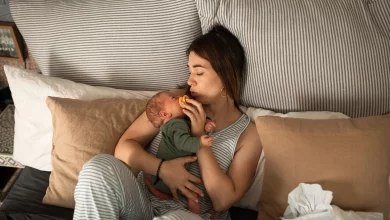
Hold your baby. Hold them a lot. It is physically impossible to “spoil” a newborn. In fact, frequent holding builds a sense of security and actually helps regulate their developing stress response system.
Moreover, practice skin-to-skin contact as much as possible. This simple act stabilizes their heart rate, breathing, and blood sugar. Consequently, it releases oxytocin (the love hormone) in both of you, cementing the bond that defines the emotional environment for your newborn.
Communication and Trust
Respond when your baby cries. Every single time. When you answer their cries consistently, you teach them that the world is a safe place and that their needs matter. This doesn’t create a “spoiled” baby; rather, it builds the foundation of trust they need to eventually learn to self-soothe.
However, crying can be stressful. If you feel like they are crying excessively and you can’t figure out why, it can be overwhelming. Read our guide on Baby Crying for No Reason ? What It Really Means to help decode their signals.
In addition, talk to your baby constantly. Narrate your day: “Let’s change your diaper now.” “I’m warming your bottle.” “Look at the sunlight!” You might feel silly at first, but do it anyway. These conversations teach language patterns and rhythms long before your baby says a single word.
Establishing Simple Routines
Babies crave predictability. Therefore, a chaotic schedule creates a chaotic environment for your newborn. Establishing simple routines helps set their internal clock. A bedtime routine doesn’t have to be complicated. For instance, it might look like:
A warm bath to relax muscles.
A gentle massage with baby-safe lotion.
A quiet feeding.
A soft lullaby.
Placing them into the crib while they are drowsy but still awake.
For a detailed step-by-step plan on mastering this, check out our Ultimate Baby Bedtime Routine : Sleep in 15 Minutes.
Parent Tip: The “Five S’s” (Swaddling, Side position, Shushing, Swinging, and Sucking) work wonders for fussy babies. They mimic the womb and activate the calming reflex.
Note: Parenting is exhausting. If you find yourself getting overwhelmed, angry, or feeling “touched out,” it is crucial to manage your own stress first. A stressed parent creates a stressed environment. See our tips on Nervous System Regulation for Parents: 5 Ways to Stop Rage.
4. Maintaining a Healthy and Clean Environment for Your Newborn
Your baby’s immune system is still under construction. While protection matters, you do not need to turn your home into a hospital ward. Creating a healthy environment for your newborn is about balance—reducing the viral load without sterilizing everything in sight.
Hygiene Best Practices
Hand Washing: This is your first line of defense. Wash your hands thoroughly before touching the baby, especially after diaper changes, using the bathroom, or coming home from outside. Indeed, hand washing prevents more illness than any other single action.
Sterilization: For the first three months, sterilize bottles, pacifiers, and pump parts daily. Your dishwasher’s sanitize cycle, boiling water for five minutes, or a steam sterilizer all do the job perfectly. After three months, washing with hot soapy water is usually sufficient.
Laundry: Use fragrance-free, hypoallergenic detergent for the baby’s clothes and bedding. Since their skin is incredibly sensitive, it can react to the harsh dyes and chemicals found in regular detergents. Skip the fabric softeners too.
Air Quality Matters
Air quality is a huge part of the environment for your newborn.
No Smoking: Never allow smoking around the baby. Period. Because secondhand smoke increases the risk of SIDS significantly and causes respiratory problems. If you smoke, do it outside and change your clothes before holding the baby.
Chemicals: Avoid strong perfumes, scented candles, plug-in air fresheners, and harsh chemical cleaners near your baby.
Filtration: Consider using a HEPA filter in the nursery, especially if allergies run in your family or if you live in an area with pollution.
Managing Visitors
Limit visitors for the first few weeks to protect the health of the environment for your newborn. Specifically, ask anyone who is sick to reschedule, no exceptions. Request that everyone wash their hands immediately upon entering and ask them to skip kissing the baby’s face or hands, as this is the easiest way for germs to transfer (including dangerous viruses like RSV).
Reality Check: You don’t need to bleach your entire house daily. Wipe down the changing table nightly and hit high-touch surfaces like doorknobs and phones every few days. Small habits create big protection.
5. Designing a Stimulating Environment for Your Newborn’s Development
While babies need plenty of rest and calm, they also need engagement to grow. The trick is providing gentle stimulation in the environment for your newborn without overwhelming their sensitive nervous systems.
Developmental Activities by Stage
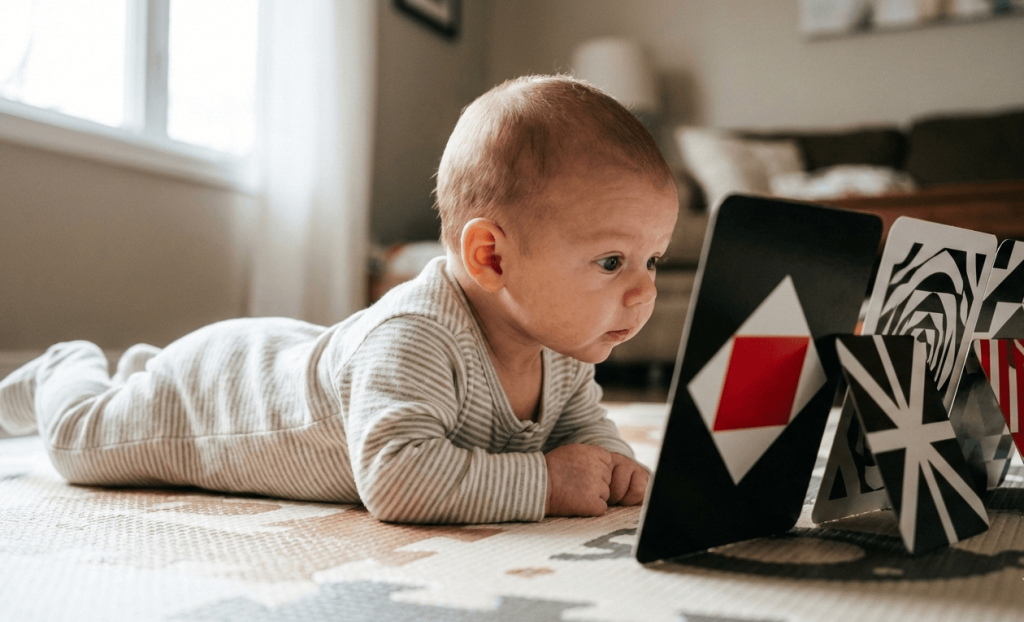
The First Two Months: Start tummy time from day one, as soon as the umbilical cord stump heals. Aim for just 3-5 minutes, several times a day. This activity builds the critical neck and shoulder strength they will need later. If they protest the floor, try placing them across your lap. Visually, the environment for your newborn should include high-contrast toys. Newborns see black, white, and bold colors best. Their color vision develops gradually, red appears first, followed by other colors around four months.
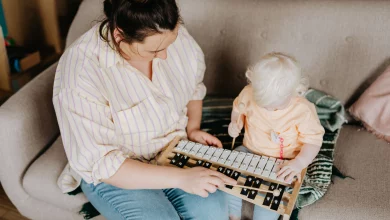
Two to Four Months: Introduce a play gym with hanging toys they can bat at. This teaches hand-eye coordination and the concept of cause-and-effect. Rotate the toys weekly to keep things interesting. Also, make silly faces! Babies study faces intensely and will start mimicking expressions much earlier than you might expect.
Avoiding Overstimulation
It is easy to do too much. A chaotic environment for your newborn too much noise, too many lights, or constant passing from person to person—can cause a meltdown. Therefore, watch for signs of overstimulation:
Looking away or turning their head.
Sudden fussiness or crying.
Hiccupping or yawning.
If you see these signs, dim the lights, reduce the noise, and offer a quiet cuddle. Also, remember that the AAP recommends no screen time before 18 months (except for video chatting). This is because screens do not provide the responsive, three-dimensional interaction babies need for optimal brain development.
Your Ultimate Safety Checklist
Print this list and use it to systematically audit the environment for your newborn:
Sleep Safety Checklist
☐ Firm, flat crib mattress with a tight-fitted sheet.
☐ Empty bassinet (absolutely no pillows, blankets, bumpers, or toys).
☐ Baby placed on their back for all sleep sessions.
☐ Sleep sacks used instead of loose blankets.
☐ Bassinet placed in the parents’ room for the first 6–12 months.
☐ Room temperature maintained at 68–72°F.
Baby-Proofing Checklist
☐ All electrical outlet covers installed.
☐ Cords secured and hidden out of reach.
☐ Small choking hazards removed from floors.
Hygiene & Health Checklist
☐ Bottle sterilizing system set up and clean.
☐ Fragrance-free detergent purchased for baby laundry.
☐ Smoke-free environment strictly enforced.
Emotional Environment Checklist
☐ Feeding routine established.
☐ Daily skin-to-skin contact scheduled.
☐ Bedtime routine created and followed.
☐ Support system identified for the parents.
Frequently Asked Questions
How often should I clean the nursery?
To maintain a clean environment for your newborn, change crib sheets weekly or immediately when soiled. Additionally, wipe down the crib frame and changing table weekly with a gentle cleaner. Vacuum twice weekly to reduce dust and allergens. That is enough, you do not need to deep clean every single day.
When should I start baby-proofing?
Ideally, you should start during your third trimester or within the baby’s first month. This gives you time to identify hazards before the chaos of parenting hits full force. Remember, babies can roll as early as 3-4 months and crawl by 6-10 months. this happens earlier than most parents expect.
How do I know if baby is too hot or cold?
Touch is your best gauge. Feel the back of their neck or chest, it should be warm but not hot or sweaty. However, do not judge by their hands and feet, as they often feel cooler due to immature circulation and are not reliable indicators of body temperature.
Can I use essential oils in the nursery?
Most pediatricians recommend avoiding essential oils and diffusers in the environment for your newborn, especially for babies under three months. This is because their respiratory systems are still developing and can be easily irritated. If you choose to use them later, dilute them heavily and use sparingly.
How do I handle visitors who want to kiss my baby?
Be direct but polite: “Our pediatrician asked that visitors not kiss the baby’s face or hands to prevent infection.” Most people understand. Instead, offer alternatives like holding the baby’s feet or just cuddling them while wearing a mask if they have been in crowded places.
The Bottom Line
Creating the perfect environment for your newborn doesn’t require a bottomless budget or a professional interior designer. Instead, it requires consistent safety measures, emotional warmth, and your attentive presence.
Every decision you make—from setting up safe sleep habits to responding to cries with patience, builds your baby’s sense of security. Ultimately, your baby doesn’t need perfection. They need you, showing up every day, doing your best. You are creating a secure, loving environment for your newborn, and that is exactly what they need to thrive. You’ve got this.
References:
- American Academy of Pediatrics Safe Sleep Guidelines
- My Florida Families Child Safety and Household Hazard Prevention
- AAP Recommendations for SIDS Risk Reduction