Baby Wake Windows by Age: Simple Guide (0-12 Months)
How Long Your Baby Should Stay Awake—and How to Spot Sleepy Cues

- Quick Answer: Baby Wake Windows by Age Summary
- What Are Wake Windows and Why Baby Wake Windows by Age Matter
- Baby Wake Windows by Age: Newborn Stage (0-4 Weeks)
- Baby Wake Windows by Age Chart: 1-2 Months
- Understanding Baby Wake Windows by Age at 3 Months
- Baby Wake Windows by Age: 4-5 Months Guide
- Mastering Baby Wake Windows by Age: 6-7 Months
- Baby Wake Windows by Age for 8-9 Months
- Baby Wake Windows by Age: 10-12 Months
- Complete Baby Wake Windows by Age Chart (Save This!)
- Why Your Baby Might Not Fit Baby Wake Windows by Age (And That’s Okay)
- Frequently Asked Questions About Baby Wake Windows by Age
- You’re Doing Better Than You Think
Understanding baby wake windows by age transformed how I approached my daughter’s sleep. I spent the first three months wondering why she’d scream bloody murder every time I tried to put her down for a nap. Turns out, I was keeping her awake too long sometimes by just 15 minutes. Following proper baby wake windows by age made all the difference between peaceful sleep and a 45-minute crying marathon.
If you’re reading this with an overtired baby in your arms, wondering why sleep feels like an impossible puzzle, you’re not alone. Wake windows are simply the amount of time your baby can comfortably stay awake between sleeps. Get baby wake windows by age right, and naps happen easier. Miss the window, and you’re dealing with an overtired baby who paradoxically can’t fall asleep.
Here’s everything I wish someone had told me about baby wake windows by age from day one.
Quick Answer: Baby Wake Windows by Age Summary
For parents who need answers right now:
- Baby wake windows by age are the time your baby can stay awake before needing sleep again
- They change dramatically as your baby grows (45 minutes for newborns, up to 4-5 hours for 12-month-olds)
- Missing your baby’s wake window by even 10-15 minutes can trigger overtiredness
- Watch your baby, not the clock sleepy cues matter more than exact times
- Overtired babies paradoxically struggle to fall asleep and stay asleep
- Baby wake windows by age are a guideline, not a rigid rule every baby is different
The fastest way to use this guide: Find your baby’s age group below, check the typical wake window range, and watch for sleepy cues before that window closes.
What Are Wake Windows and Why Baby Wake Windows by Age Matter

Understanding baby wake windows by age means recognizing the sweet spot between waking up and needing sleep again. Think of your baby’s alertness like a phone battery it drains predictably based on age and development.
For newborns, that battery drains in 30-45 minutes. For a one-year-old, it might last 4-5 hours. Push past your baby’s natural wake window, and they cross into overtired territory where stress hormones (cortisol) make sleep harder, not easier. According to the National Sleep Foundation, understanding age appropriate wake times is crucial for infant sleep health.
Why baby wake windows by age matter more than you think:
Your baby’s nervous system is still developing. They can’t self-regulate like adults can. When they’ve been awake too long, their body releases cortisol to keep them going like a second wind. This hormone actively fights sleep, which is why an exhausted baby might scream for an hour instead of just falling asleep.
Nailing baby wake windows by age helps you catch your baby before they hit that overtired state. It’s not about forcing sleep on a schedule it’s about reading their readiness and responding before things fall apart.
Baby Wake Windows by Age: Newborn Stage (0-4 Weeks)
Typical wake window: 30-45 minutes (sometimes even less)
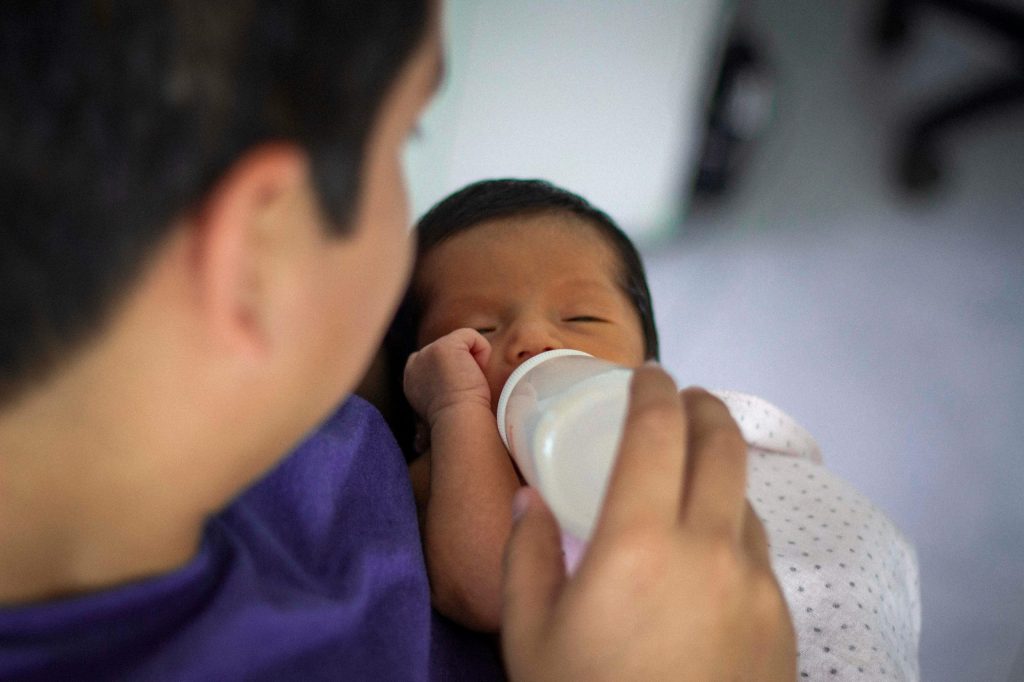
I’ll never forget bringing my daughter home and thinking “she just woke up from a 2-hour nap, she must be ready to play!” Nope. Fifteen minutes later, she was losing her mind. Following baby wake windows by age guidelines for newborns would have saved me so much stress.
What this looks like in real life:
Your newborn wakes up, you feed them (which takes 20-30 minutes), you do a quick diaper change, and boom, it’s already naptime again. Sometimes the entire wake window is consumed by feeding. That’s completely normal for this stage of baby wake windows by age.
Common sleepy cues at this age:
- Staring off into space (the “thousand-yard stare”)
- Yawning
- Rooting around like they want to eat (even if they just ate)
- Jerky arm movements
- Becoming fussy for no clear reason
The biggest mistake parents make:
Thinking their newborn wants to “see the world” and keeping them up for an hour. By minute 50, you’ve got an overtired newborn who can’t settle. If your baby seems fussy and it’s been 35-40 minutes since they woke up, try putting them down. Understanding baby wake windows by age for newborns prevents this overtiredness cycle.
Gentle tips for this age:
- Count wake windows from the END of the last nap, not the start
- Sometimes feeding IS the entire wake window that’s okay
- If your baby falls asleep while feeding, let them (safe sleep guidelines apply once you transfer them to their sleep space)
- Newborns are still figuring out day vs. night baby wake windows by age help with this
If your newborn cries excessively even when following appropriate wake windows, read our guide on why babies cry for seemingly no reason to understand other potential causes.
Baby Wake Windows by Age Chart: 1-2 Months
Typical wake window: 45-60 minutes
This age is when you start seeing tiny glimmers of personality. Maybe they smile at you. Maybe they track objects with their eyes. But following baby wake windows by age guidelines, they still need a LOT of sleep.
What parents notice:
Your baby might stretch to a full hour awake, especially during daytime wake windows. Morning wake windows tend to be shortest (closer to 45 minutes), while afternoon windows might push to 60 minutes. This variation is normal when tracking baby wake windows by age.
Common sleepy cues:
- Red eyebrows (I’m serious look for a slight red tinge above their eyes)
- Glazed expression
- Looking away from you repeatedly
- Fussiness that escalates if you don’t respond
- Rubbing eyes (though some babies don’t do this yet)
What goes wrong:
Parents see their baby smiling and think “oh good, they’re happy, we can keep playing!” Then five minutes later, the baby is inconsolable. That happy window was the LAST sign before overtiredness kicked in. Respecting baby wake windows by age prevents this cascade.
Practical adjustments:
- Start your naptime routine at 40 minutes awake (diaper change, darken room, white noise)
- Watch for the FIRST sleepy cue, not the third or fourth
- If you miss baby wake windows by age and your baby is overtired, you might need to add extra soothing (gentle rocking, holding) to help them calm down
- Some babies still have wake windows as short as 45 minutes for ALL their naps—that’s fine
Understanding Baby Wake Windows by Age at 3 Months
Typical wake window: 60-90 minutes
Three months is where baby wake windows by age start feeling slightly more predictable. Your baby is more alert during wake times, and sleep might start consolidating a bit (though sleep regressions can throw this off more on that in a minute).

What this age looks like:
Your baby can now handle a full feeding session, some tummy time, and maybe a quick stroller walk before needing sleep. But 90 minutes is still the ceiling for most three-month-old following proper baby wake windows by age.
Common sleepy cues:
- Decreased activity (they stop kicking and cooing)
- Staring blankly
- Pulling at ears
- Arching back
- That specific fussiness that says “I’m done”
The trap parents fall into:
Around 3-4 months, many babies hit a sleep regression. Parents panic and try all kinds of schedule changes, thinking they’re doing something wrong. Often, the wake window itself hasn’t changed your baby just needs more help settling due to developmental leaps. Understanding that sleep regressions are normal developmental phases helps you navigate disruptions to baby wake windows by age patterns. Read our Newborn Sleep Regression Problems : Survival Guide for detailed strategies on managing sleep regressions while maintaining wake windows.
What actually helps:
- Stick to the 60-90 minute range even if sleep is rocky
- If your baby is fighting sleep, they’re likely overtired shorten the wake window by 10-15 minutes
- The last wake window before bedtime is usually the longest (closer to 90 minutes)
- Watch your baby more than the clock when implementing baby wake windows by age
The American Academy of Pediatrics recommends watching for individual sleepy cues rather than rigid schedules for babies under 6 months.
Baby Wake Windows by Age: 4-5 Months Guide
Typical wake window: 1.5-2.5 hours
This is where baby wake windows by age start varying more dramatically based on which nap it is. The first wake window of the day is still usually the shortest (closer to 1.5 hours), while the afternoon wake windows stretch to 2-2.5 hours.
What’s different now:
Your baby is way more interactive. They’re reaching for toys, rolling over, maybe even sitting with support. This increased activity means baby wake windows by age naturally extend as developmental milestones are reached.
Common sleepy cues:
- Clinginess (suddenly MUST be held)
- Losing interest in toys abruptly
- Whining or fussing
- Rubbing eyes or face
- Getting “slaphappy” (giggly but in an overtired way)
Common mistakes at this age:
Parents see their baby happily playing and think “great, they’re not tired!” But babies at this age can push through tiredness briefly before crashing hard. That happy 20-minute window at the end of baby wake windows by age can turn into screaming if you’re not careful.
Adjustments that work:
- First nap of the day: aim for 1.5 hours awake
- Second nap: closer to 2 hours awake
- Last wake window before bed: 2-2.5 hours
- If your baby wakes from a short nap (under 45 minutes), they might only tolerate a shorter wake window afterward
- Some babies transition from 4 naps to 3 naps around this age baby wake windows by age adjust accordingly
Mastering Baby Wake Windows by Age: 6-7 Months
Typical wake window: 2-3 hours
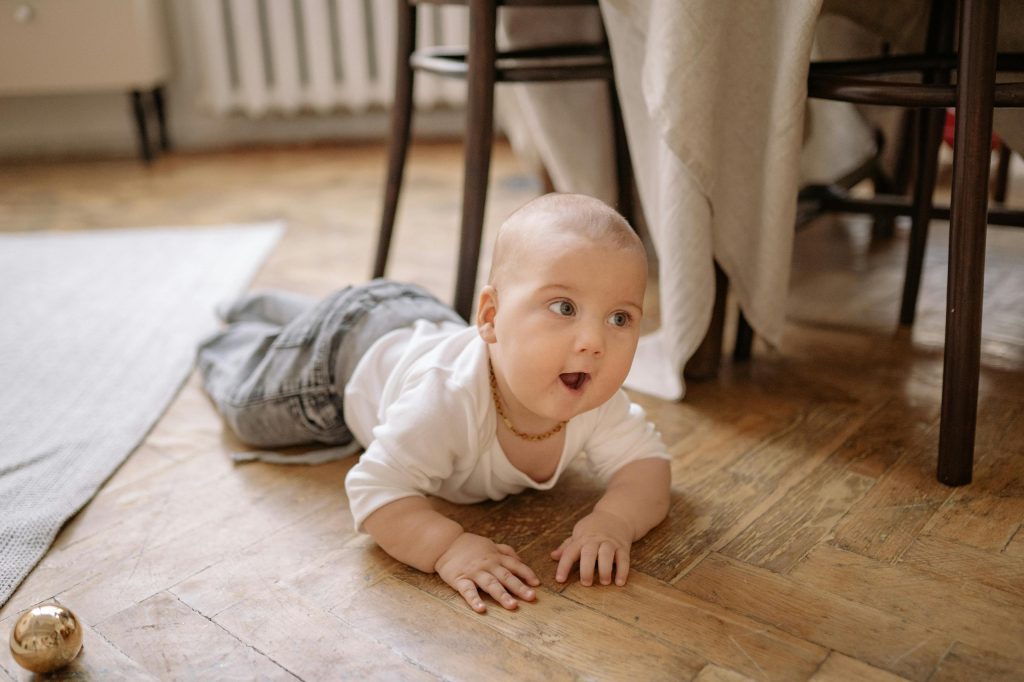
Six months was a game-changer for us. My daughter could actually stay awake long enough to run errands or visit the park without melting down immediately after. But respecting baby wake windows by age meant three hours was still the hard limit.
What this looks like:
Your baby is probably down to 2-3 naps per day. They can handle more stimulating activities (music class, playgroups) as long as you’re strategic about timing baby wake windows by age. Missing the wake window now results in LOUD protests.
Common sleepy cues:
- Zoning out mid-activity
- Increased clumsiness (dropping toys, missing when reaching)
- Fussiness that doesn’t respond to typical solutions
- Seeking comfort (wanting to nurse or be held)
- Rubbing eyes or pulling at ears
What parents get wrong:
By 6-7 months, many babies are eating solids. Parents sometimes try to push baby wake windows by age longer to “make room” for meals. Bad idea. A hungry, tired baby is a disaster. Feed them DURING the wake window, not at the expense of it.
Helpful strategies:
- Morning wake window: 2-2.5 hours
- Afternoon wake window: 2.5-3 hours
- Bedtime wake window: 2.5-3 hours
- If you’re out and about, watch for sleepy cues even more carefully stimulation can mask tiredness
- Teething can temporarily shorten baby wake windows by age that’s normal
If your 6-7 month old suddenly refuses to sleep unless being held, even when following appropriate wake windows, check out our complete guide on helping babies who won’t sleep unless held for additional strategies.
Baby Wake Windows by Age for 8-9 Months
Typical wake window: 2.5-3.5 hours
Eight months is when babies really start testing boundaries. They’re crawling, pulling up on furniture, and generally turning into tiny chaos agents. All that physical activity means baby wake windows by age naturally extend, but it also means they’re more resistant to sleep because everything is SO INTERESTING.
What changes:
Most babies drop to 2 naps per day around this age. Baby wake windows by age stretch accordingly, but the transition can be rough. You might have a few weeks where your baby seems confused about whether they need two naps or three.
Common sleepy cues:
- Hyperactivity (seems wired but is actually tired)
- Aggressive behavior (hitting, biting even sweet babies do this when exhausted)
- Clumsiness increases
- Demanding to be held constantly
- Meltdowns over small things
The mistake even experienced parents make:
Assuming that because your baby is more active, they NEED longer wake windows. Sometimes the opposite is true. If your baby seems wild and unmanageable, try shortening baby wake windows by age slightly. Overtiredness can look like hyperactivity.
What actually works:
- First wake window: 2.5-3 hours
- Second wake window: 3-3.5 hours
- Bedtime wake window: 3.5 hours max
- If your baby is transitioning from 3 naps to 2, you’ll need to cap the first nap so they’re tired enough for the second
- Allow some flexibility vacation, illness, and growth spurts temporarily mess with baby wake windows by age
Baby Wake Windows by Age: 10-12 Months
Typical wake window: 3-4 hours (sometimes up to 5 hours before bedtime)
Welcome to the home stretch of the first year. By 10-12 months, following baby wake windows by age means your baby is basically a tiny human with opinions, preferences, and shockingly long wake windows.
What this age looks like:
Most one-year-olds are down to 2 solid naps (some transition to 1 nap toward the end of this period, though that’s more common around 15-18 months). They can handle a full morning of activities, lunch, and THEN a nap. It’s wild compared to the newborn days of baby wake windows by age.
Common sleepy cues:
- Increased whining or tantrums
- Rubbing eyes or face
- Looking for their comfort object (lovey, blanket)
- Becoming clingy or demanding
- Slowing down physically (less running around)
What trips parents up:
One-year-olds FIGHT sleep because they don’t want to miss anything. Parents interpret this as “they’re not tired” and extend baby wake windows by age even more. But the resistance is often BECAUSE they’re overtired, not under-tired.
Strategies for this age:
- Morning wake window: 3-3.5 hours
- Afternoon wake window: 3.5-4 hours
- Bedtime wake window: 4-5 hours (this one can stretch the longest)
- If your toddler skips a nap, dramatically shorten the wake window before bedtime to prevent an overtired meltdown
- Be consistent with naptime even if they protest the routine matters for maintaining baby wake windows by age
Complete Baby Wake Windows by Age Chart (Save This!)
Here’s a quick reference chart showing baby wake windows by age that you can screenshot and save to your phone:
| Age | Wake Window Range | Notes |
|---|---|---|
| 0-4 weeks | 30-45 minutes | First wake window shortest |
| 1-2 months | 45-60 minutes | Still very short! |
| 3 months | 60-90 minutes | Watch for sleep regression |
| 4-5 months | 1.5-2.5 hours | Varies by nap number |
| 6-7 months | 2-3 hours | More consistent |
| 8-9 months | 2.5-3.5 hours | Transitioning to 2 naps |
| 10-12 months | 3-5 hours | Last wake window longest |
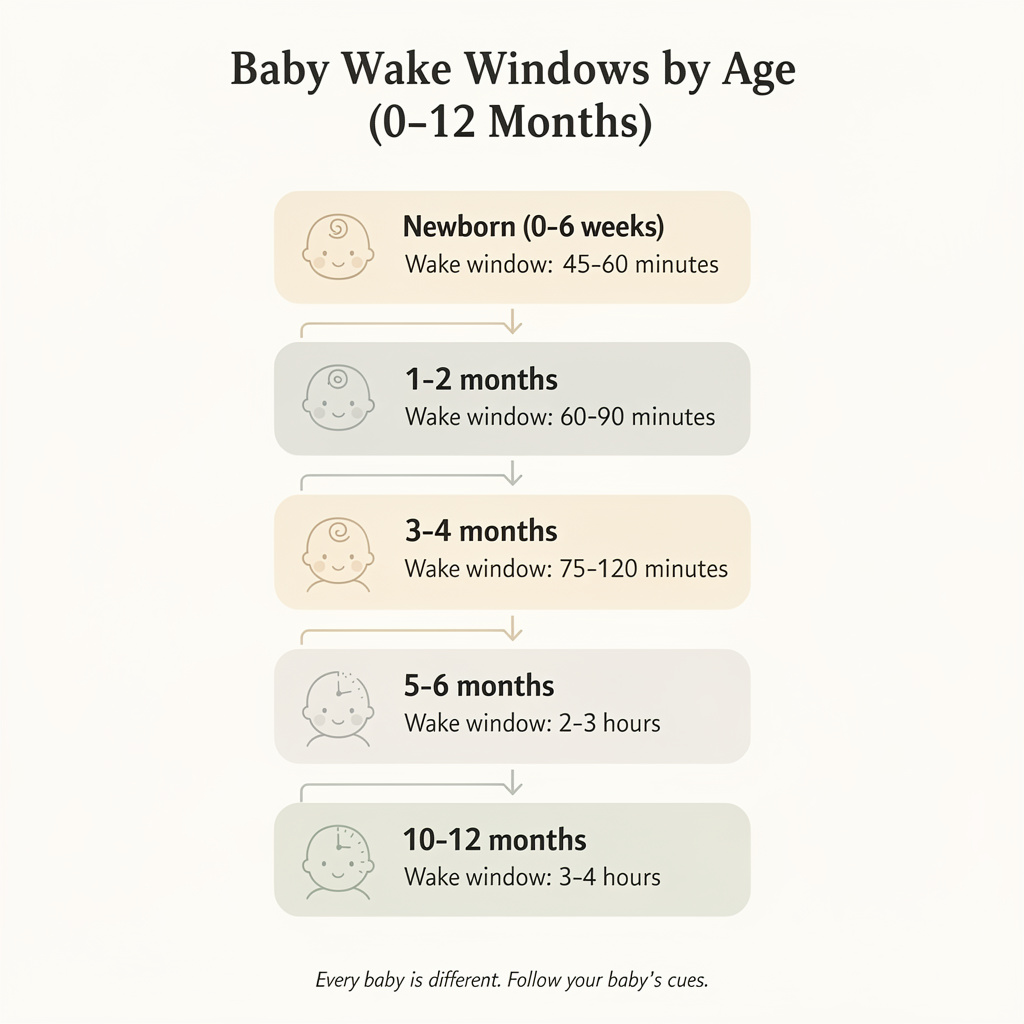
How to use this baby wake windows by age chart:
- Find your baby’s age
- Start with the LOWER end of the range
- Watch for sleepy cues, put baby down BEFORE they’re visibly cranky
- If sleep is rocky, try shortening wake windows by 15 minutes
- Remember: baby wake windows by age are a guideline, not gospel
Why Your Baby Might Not Fit Baby Wake Windows by Age (And That’s Okay)
Here’s the thing nobody tells you: baby wake windows by age are a tool, not a rule. I’ve seen babies who needed shorter wake windows than “average” for months. I’ve also seen babies who stretched their wake windows earlier than expected.
Every baby develops differently because:
- Temperament matters (high-energy babies might tire faster)
- Sleep quality affects wake windows (if naps are short, wake windows might need to shorten)
- Developmental leaps temporarily mess with everything
- Illness, teething, and growth spurts all impact baby wake windows by age
- Some babies are just naturally better or worse at self-soothing
Trust your baby, not just the baby wake windows by age numbers.
If your four-month-old seems happiest with 2-hour wake windows instead of the “typical” 1.5-2.5 hours, go with it. If your nine-month-old still needs shorter wake windows when teething, honor that.

When to seek guidance:
While baby wake windows by age are flexible, reach out to your pediatrician if:
- Your baby seems excessively fussy or irritable most of the time
- Sleep issues are affecting feeding or development
- You’re concerned about your baby’s growth or health
- You’re feeling overwhelmed and need support (parental exhaustion is real and valid)
Remember: pediatricians are there to help, not judge. If something feels off, it’s always okay to ask.
The Centers for Disease Control and Prevention provides guidelines on infant sleep safety and developmental milestones.
Frequently Asked Questions About Baby Wake Windows by Age
What happens if I miss my baby’s wake window?
Your baby becomes overtired, which triggers stress hormones that make falling asleep harder. You’ll notice more crying, longer settling times, and possibly shorter or more disrupted sleep. If you miss baby wake windows by age, add extra soothing (rocking, white noise, dim lighting) to help them calm down before sleep.
Can baby wake windows by age be too short?
Yes, though this is less common. If you try to put your baby down before they’re actually tired, they’ll resist sleep or take a very short nap. The key is finding the sweet spot where they’re tired but not overtired. Watch for sleepy cues rather than just following baby wake windows by age rigidly.
How do I know if my baby is overtired or under-tired?
Overtired babies are fussy, hard to soothe, fight sleep, and often wake frequently. Under-tired babies seem alert and happy, don’t show sleepy cues, and might play quietly in their crib instead of sleeping. Overtiredness is far more common than under-tiredness in babies under 12 months when following baby wake windows by age.
Do baby wake windows by age change when my baby is sick?
Absolutely. Sick babies often need shorter wake windows and more sleep overall. Honor what your baby needs during illness, this isn’t the time to stress about baby wake windows by age schedules. Recovery is the priority.
Should baby wake windows by age stay the same on vacation or during time changes?
Wake windows themselves don’t change, but you might need to adjust timing based on time zones. The biological need for sleep after a certain amount of awake time stays consistent you’re just shifting when that happens on the clock. Give your baby a few days to adjust to new schedules while maintaining baby wake windows by age.
You’re Doing Better Than You Think
Look, if you’re reading this article at 2 AM with a crying baby, I see you. Baby wake windows by age aren’t magic. They won’t solve every sleep problem or turn your baby into a perfect sleeper overnight.
But they ARE a tool that can help you work WITH your baby’s natural rhythms instead of against them. And honestly? Even just understanding WHY your baby melts down at certain times can reduce your stress.
Key things to remember about baby wake windows by age:
- Baby wake windows by age are guidelines, watch YOUR baby, not just the chart
- Missing a wake window by 10-15 minutes can make a big difference
- Every baby develops at their own pace
- Sleepy cues matter more than exact times
- You’re not doing anything wrong if your baby doesn’t match the “typical” baby wake windows by age ranges
Some days you’ll nail baby wake windows by age and your baby will nap beautifully. Other days, teething or developmental leaps will throw everything out the window and you’ll do whatever works to survive. Both are fine.
Trust yourself. You know your baby better than any baby wake windows by age chart or article ever could. Wake windows are just one piece of the puzzle use them as a helpful guide, not a source of stress.
You’ve got this.