Sensory Play Ideas for Toddlers: 10 Proven Activities They’ll Actually Do
From rice bins to ice excavation - 10 simple setups that keep toddlers busy for 45+ minutes without screens.
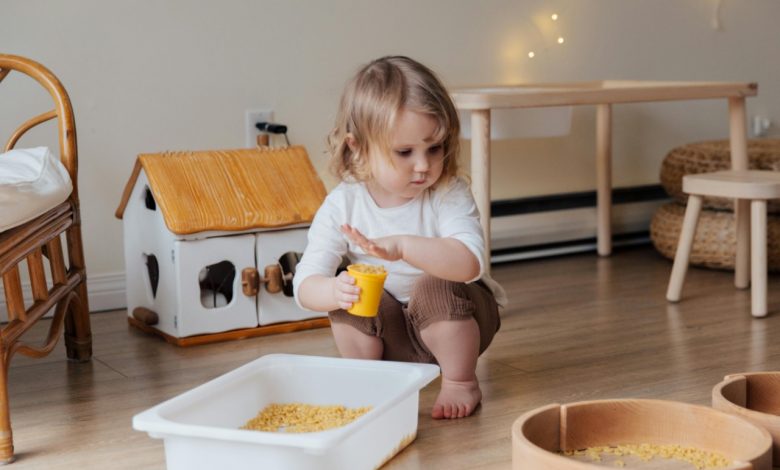
- What Is Sensory Play — And Why It Matters
- 5 Proven Benefits of Sensory Play Ideas for Toddlers
- 1. Brain development
- 2. Emotional regulation
- 3. Language development
- 4. Fine motor skills
- 5. Independent play
- The 10 Best Sensory Play Ideas for Toddlers (18 Months – 4 Years)
- 1. Kinetic Sand With Hidden Toys
- 2. Water Beads Sensory Bin
- 3. Foam + Food Coloring Mixing
- 4. Rainbow Rice Sensory Bin
- 5. Oobleck : The Non-Newtonian Slime
- 6. Shaving Cream Painting
- 7. Ice Excavation (Works for Kids Who Hate Messy Play)
- 8. Cloud Dough
- 9. Magnetic Fishing
- 10. Nature Sensory Walk
- How to Introduce Sensory Play Ideas to a Reluctant Toddler
- FAQ — Sensory Play Ideas for Toddlers
- Enjoyed this guide? You might also like:
- Start Today – Not Tomorrow
The best sensory play ideas for toddlers are the ones that actually hold their attention not for 5 minutes, but for 45. We tried everything. Some activities lasted 3 minutes before the meltdown. These 10 lasted the whole afternoon.
What Is Sensory Play — And Why It Matters
Sensory play is any activity that engages your toddler’s senses — touch, sight, sound, smell, or movement.
It’s not just fun. It builds neural connections, supports language development, and helps toddlers regulate their emotions.
The research is clear: children who engage in regular sensory play show stronger problem-solving skills by age 4.
A study in the Early Childhood Education Journal found sensory activities improve emotional regulation in toddlers 18-36 months.
5 Proven Benefits of Sensory Play Ideas for Toddlers
Sensory play ideas for toddlers aren’t just entertaining, they’re building something real inside your child’s brain every single time they dig, pour, or squeeze.
1. Brain development
Every new texture, temperature, and material creates new neural pathways. Sensory play ideas for toddlers give the brain the raw material it needs to grow, especially between 18 months and 4 years when development is fastest.
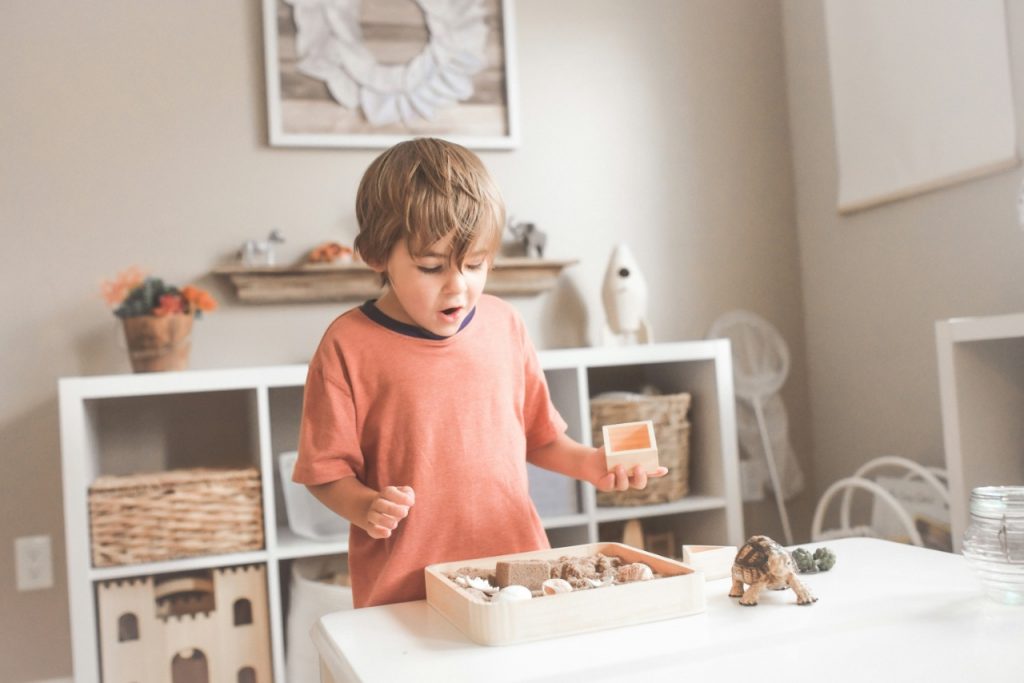
2. Emotional regulation
Toddlers who struggle with big emotions often find sensory play ideas grounding. The repetitive actions — pouring, squeezing, mixing, activate the calming part of the nervous system. We noticed a real difference in meltdown frequency within two weeks of daily sensory play.
3. Language development
Describing textures builds vocabulary faster than flashcards. “Cold,” “slimy,” “rough,” “smooth” these words stick because they’re connected to a real physical experience. Sensory play ideas for toddlers naturally create language opportunities every few minutes.
4. Fine motor skills
Pinching, scooping, pouring, and squeezing strengthen the small muscles in your toddler’s hands, the same muscles they’ll need for writing, drawing, and self-care tasks later.
5. Independent play
A well-set-up sensory play bin is one of the only sensory play ideas for toddlers that consistently buys 30-45 minutes of independent play. No prompting. No entertainment required.
The 10 Best Sensory Play Ideas for Toddlers (18 Months – 4 Years)
1. Kinetic Sand With Hidden Toys
Bury small plastic animals or coins inside kinetic sand and let your toddler dig them out.
The digging, squeezing, and finding triggers multiple senses at once. Most toddlers stay focused for 30-45 minutes without prompting.
What you need: Kinetic sand, small plastic toys, a tray.
Age: 18 months+ (supervised — not for mouths)
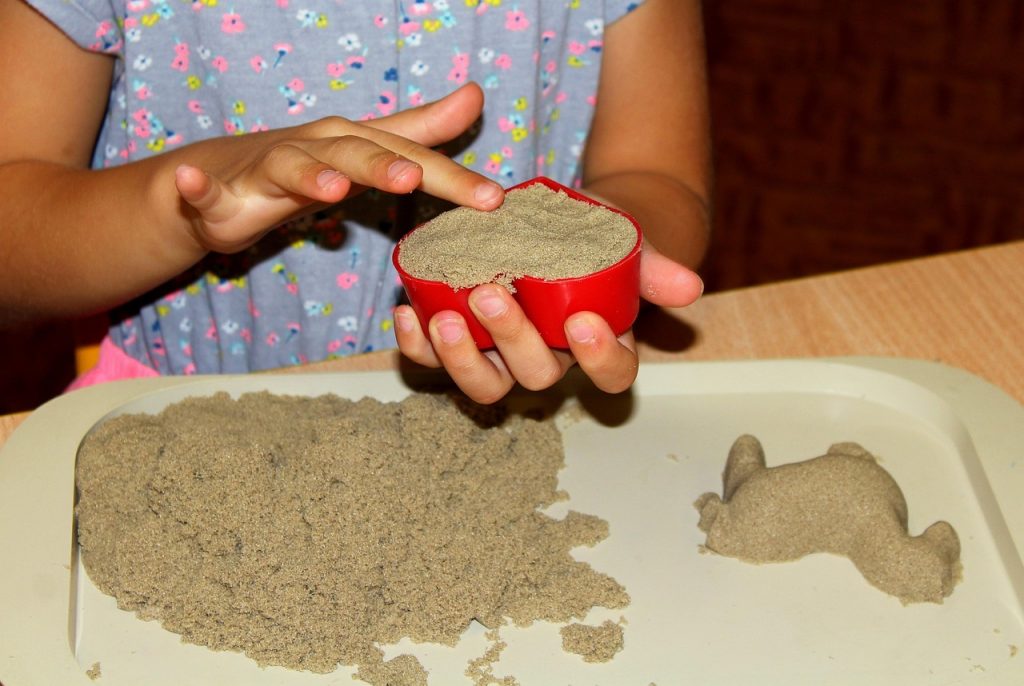
Why sensory play ideas for toddlers like kinetic sand work so well: the texture triggers the tactile cortex while the focus required for digging builds concentration naturally.
Pro tip: Hide the toys deeper each session, toddlers love increasing challenge without knowing it’s intentional.
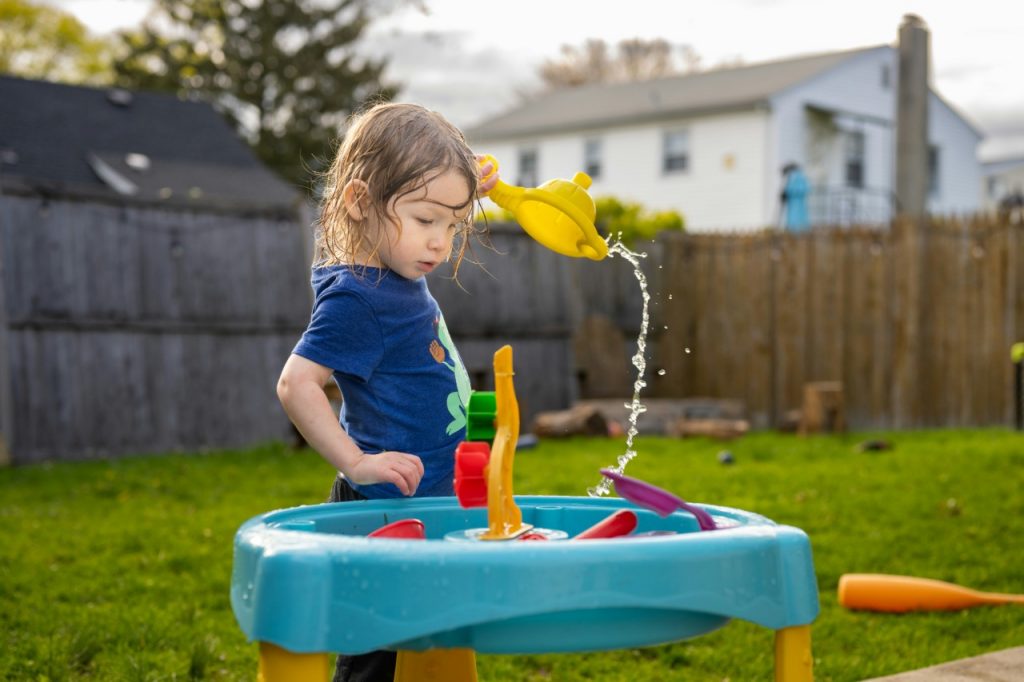
2. Water Beads Sensory Bin
Fill a container with hydrated water beads and let your toddler scoop, pour, and squeeze.
The texture is unlike anything else slippery, squishy, satisfying. Add cups and spoons to extend the play.
What you need: Water beads, large bin, cups.
Age: 2 years+ (choking hazard close supervision required)
Always supervise closely. Water beads are not safe if swallowed.
3. Foam + Food Coloring Mixing
Spray shaving foam into a tray and add drops of food coloring. Let your toddler mix, swirl, and explore.
The color mixing surprises them every time they watch red and blue become purple with genuine amazement.
What you need: Shaving foam, food coloring, tray.
Age: 2 years+
4. Rainbow Rice Sensory Bin
Dye uncooked rice in multiple colors, fill a bin, and add scoops and funnels.
The sound of rice pouring is surprisingly calming for toddlers. We used this during a particularly rough week and it became our go-to reset activity.
What you need: Uncooked rice, food coloring, rubbing alcohol, bin.
Age: 18 months+ (supervised)
Sensory play ideas for toddlers using rice are particularly effective for toddlers who are overwhelmed by wet textures. The sound of pouring is naturally regulating, almost meditative for some children.
Pro tip: Add a funnel and watch focus time double immediately.
5. Oobleck : The Non-Newtonian Slime
Mix cornstarch and water until it acts like both a solid and a liquid.
Watch your toddler’s face the first time they try to pick it up and it melts through their fingers. The confusion and delight is worth every second of cleanup.
What you need: Cornstarch, water, food coloring optional.
According to the American Academy of Pediatrics, sensory play supports healthy brain development in children
Age: 2 years+
6. Shaving Cream Painting
Spread shaving cream on a table or tray and let your toddler draw, write, or just smear.
It wipes clean in seconds. The sensory input cold, soft, disappearing keeps them engaged longer than paint ever does.
What you need: Shaving cream, tray or table.
Age: 18 months+
7. Ice Excavation (Works for Kids Who Hate Messy Play)
Freeze small toys inside a block of ice. Give your toddler warm water in a spray bottle to melt it and rescue the toys.
This is our secret weapon for sensory-sensitive toddlers who refuse to touch anything messy. The excavation feels like a mission not a sensory challenge.
What you need: Balloon or container, small toys, water, freezer.
Age: 2 years+
8. Cloud Dough
Mix 8 cups of flour with 1 cup of baby oil. It crumbles like sand but holds shape like dough.
Completely dry to the touch no sticky hands, no meltdowns. One of the only sensory activities our texture-sensitive toddler would actually sit with.
What you need: Flour, baby oil, molds optional.
Age: 18 months+ (supervised)
9. Magnetic Fishing
Fill a bin with water, add paper clips or metal objects to paper fish, and give your toddler a magnet on a string.
The focus required for fishing patience, precision, excitement is a full cognitive and sensory workout without feeling like one.
What you need: Water bin, paper fish, paper clips, magnet, string.
Age: 2 years+
10. Nature Sensory Walk
Take a bag outside and collect leaves, rocks, bark, and flowers. Bring them home and sort by texture, color, or size.
No prep. No cleanup. Just nature doing what it was designed to do — engage every sense at once.
Age: 18 months+
How to Introduce Sensory Play Ideas to a Reluctant Toddler
Not every toddler dives into sensory play ideas immediately. Some hang back. Some refuse to touch anything.
That’s completely normal, and it doesn’t mean sensory play ideas for toddlers won’t work for your child.
Start dry. Rice bins, sand, and kinetic sand are the least threatening sensory play ideas for toddlers. Avoid slime or foam until they’ve built confidence with drier materials.
Let them watch first. Sit down and explore the sensory play ideas yourself. Don’t invite them. Just play. Curiosity will pull them in within minutes on their terms, not yours.
Keep sessions short. Five minutes of willing engagement beats 30 minutes of forcing. End while they still want more they’ll ask to come back tomorrow.
Make cleanup part of the routine. Toddlers who know cleanup is coming are less anxious about the mess. Give them their own cloth and make it a game.
The goal isn’t perfection. The best sensory play ideas for toddlers are the ones that happen consistently at your child’s pace, not yours.
FAQ — Sensory Play Ideas for Toddlers
What age should toddlers start sensory play?
Most toddlers are ready for supervised sensory play from 12-18 months. Start simple water play or dry rice bins before moving to messier textures.
How long should sensory play last?
There’s no right answer. Some toddlers engage for 10 minutes, others for an hour. Follow their lead and don’t cut it short when they’re focused.
Is sensory play safe for toddlers who put everything in their mouth?
Always choose age-appropriate materials and supervise closely. Edible sensory options like cooked pasta or puffed rice are safer for toddlers still mouthing objects.
Do I need to buy expensive materials?
No. Rice, flour, water, and sand are enough to start. Most sensory bins cost under $5 to set up at home.
How often should toddlers do sensory play?
Daily if possible even 10 minutes makes a difference in emotional regulation and focus.
Enjoyed this guide? You might also like:
- Baby Wake Windows by Age : Simple Guide.
- Toddler Tantrums: 5 Ways to Stop Them
- Emotional Regulation in Children
Medical Disclaimer: This article shares personal experience and general parenting tips. Always supervise toddlers during sensory activities. If your child shows signs of sensory processing difficulties, consult a pediatric occupational therapist.
Start Today – Not Tomorrow
You don’t need a craft store haul or a Pinterest-perfect setup for sensory play ideas for toddlers.
A container of rice and a few spoons is enough. A bowl of water and some cups is enough. The best sensory play ideas for toddlers are the ones that happen today, not the elaborate ones planned for next weekend that never happen.
Pick one sensory play idea from this list. Set it up in the next 10 minutes. Watch what happens.
Your toddler’s brain is ready. The only thing missing is the first bin. 🎯
Why users still use to read news papers when in this technological globe all is accessible on web?
Because AI sources sometimes are not precise and correct, we write from real experiences and studies.